

Yes, well, I said it the first time I heard it. I train 3-4 times a week at the gym, what more can walking offer me? A LOT is the answer. And although this is a somewhat general answer, I'll try to be a little more specific right away...
There are many reasons to stop riding your motorbike or car for short distances. Distances that can be covered at a slightly brisk pace in 15-20 minutes. Go - come, don't forget in your excitement that you will have to turn back after all... And what do we mean by a slightly brisk pace? Imagine, for example, the way someone walks when they want to catch the bus that passes in 5 minutes from the stop, but which, with a leisurely walk, takes about 5-6 minutes to reach. You will not start running, nor jogging, you will simply speed up your pace a little more. This is the pace we want to achieve!
What helps brisk walking? Why is it considered the most ideal for the majority of people who want to lose weight? First of all, ALMOST EVERYONE can walk a little faster than usual. This type of exercise does not require one to be an athlete or have an athletic body type. Even if a person is relatively overweight, brisk walking does not burden the joints as the vibrations it causes to the body in this way are minimal. It does not negatively affect the knees and waist, as long as one does not suddenly reach from one end to the other. That is why it is appropriate for one to start with 15-20 minutes of brisk walking three times a week, with the aim of gradually reaching 25-30 minutes and a total of five times a week. It is considered ideal to walk two consecutive days for 25-30 minutes each time, one day off, again three consecutive days walking for the same duration and again one day off.
What do we achieve overall? Intense continuous walking is a beneficial aerobic activity that first and foremost trains the circulatory system and particularly stimulates the function of the heart. It also gradually improves and strengthens the function of the respiratory system, while significantly helping to strengthen muscle groups, especially those of the lower extremities. When walking is done outdoors and not just on a treadmill, it combats and soothes anxiety and depression, and significantly improves thinking, memory, concentration and judgment skills! It also contributes in a unique way to the mental and biological balance of the human body. Can anyone ask for anything more than all of this?
Tips: Make sure to walk after at least 40-50 minutes have passed after your meal. Remember that every person is different and therefore has a different ideal heart rate zone in which to achieve maximum fat and calorie burning. And there is the following simple formula to find, approximately, your own ideal heart rate zone. It is generally accepted among those who exercise, but also scientifically proven, that we achieve maximum fat burning when during exercise our heart rate remains for as long as possible around 70% of our maximum healthy heart rate. So to find this ideal heart rate zone based on your own body, it is enough to subtract your age from 220 maximum heart rate. Let's give an example regarding a 35-year-old person. 220-35=185 is the maximum number of healthy heart rates of this person. 185x70%= 129.5 the ideal pulse. Which means that the ideal pulse zone for maximum fat burning for this 35-year-old person is between 125 and 135 heartbeats per minute. Be careful, this formula is general and varies significantly in overweight people, smokers and those with health problems. That is why it is important to consult a doctor in any case before starting! So, have a good walk... And get outside... Outside, even in winter....
Gym Essentials
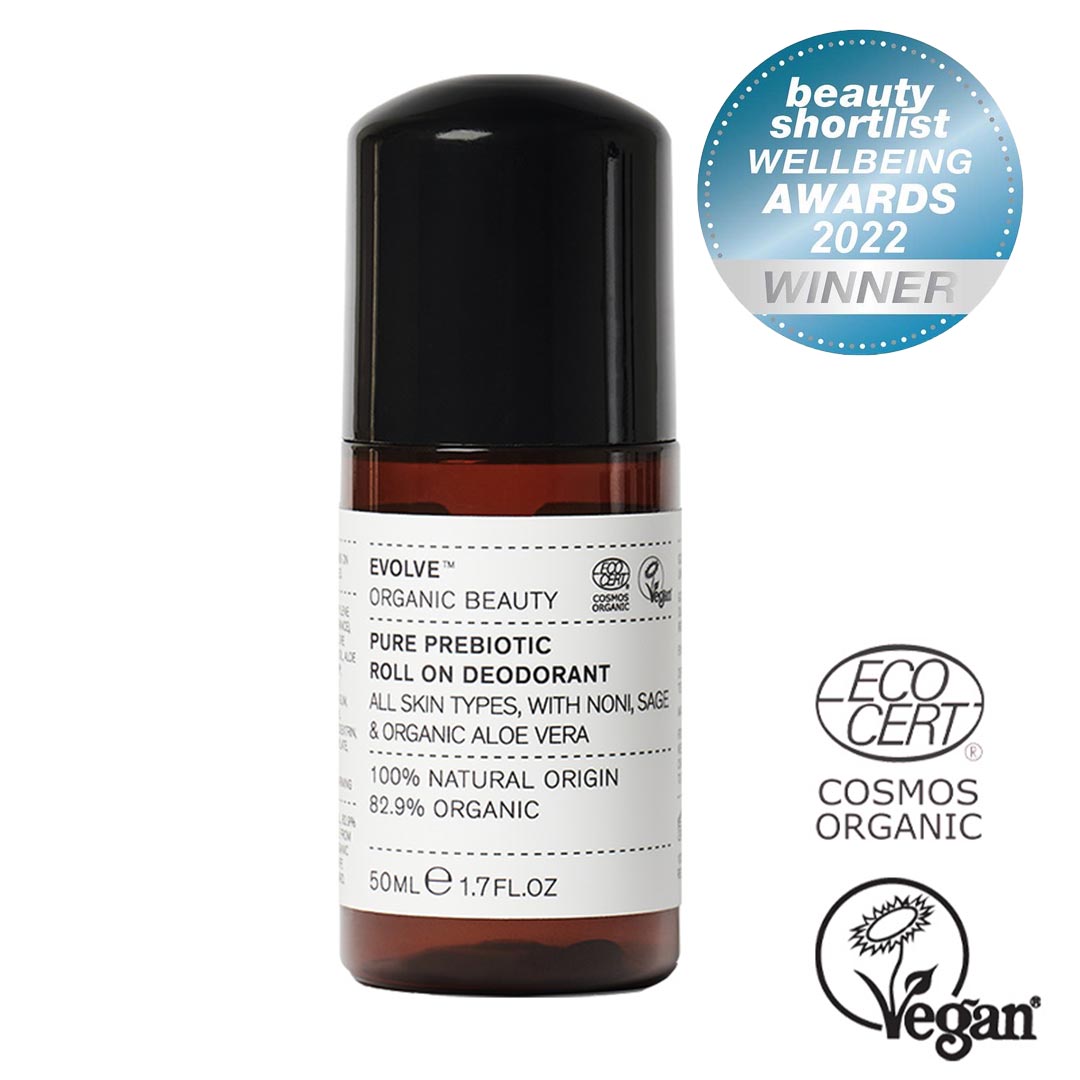 Natural Organic Roll-On Deodorant with Prebiotics - Pure Prebiotic Roll On Deodorant 50ml |
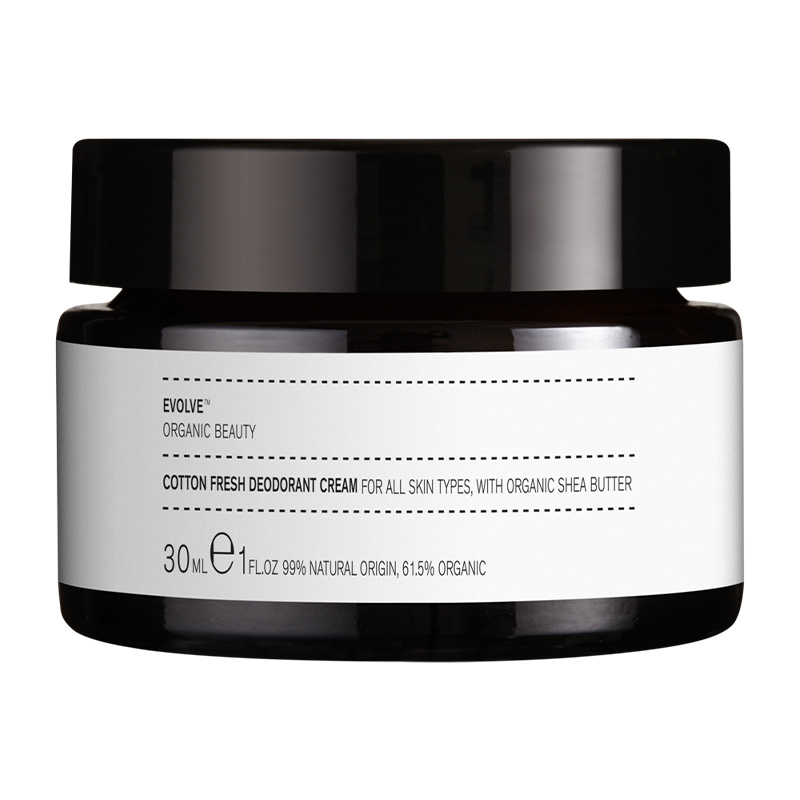 Natural Organic Deodorant Cotton Fresh Natural Deodorant Cream 30ML |
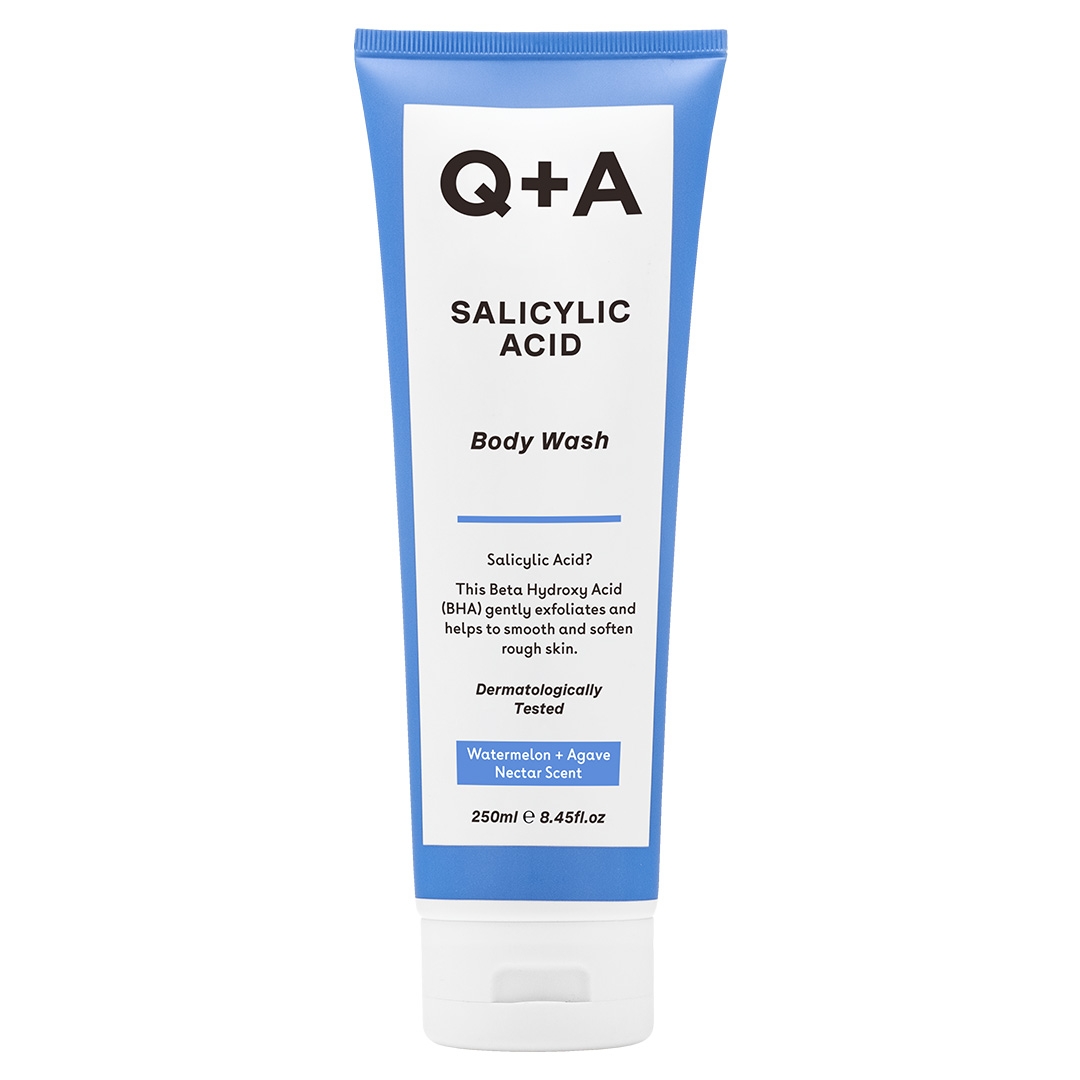 Salicylic Acid Body Wash 250ml Q+A |
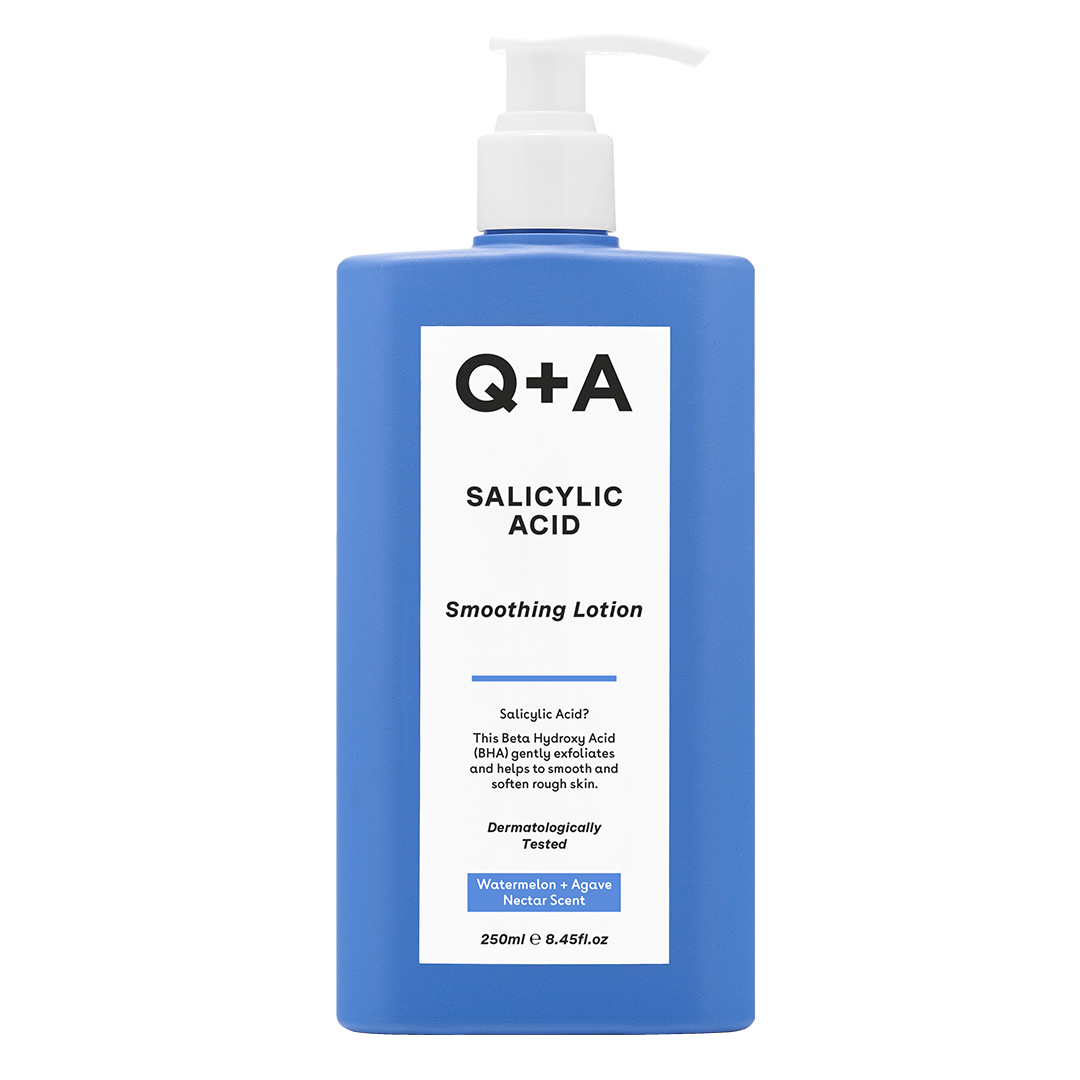 Salicylic Acid Smoothing Lotion – Body Lotion with Salicylic Acid 250ml Q+A Salicylic Acid Smoothing Lotion – Body Lotion with Salicylic Acid 250ml Q+A
|
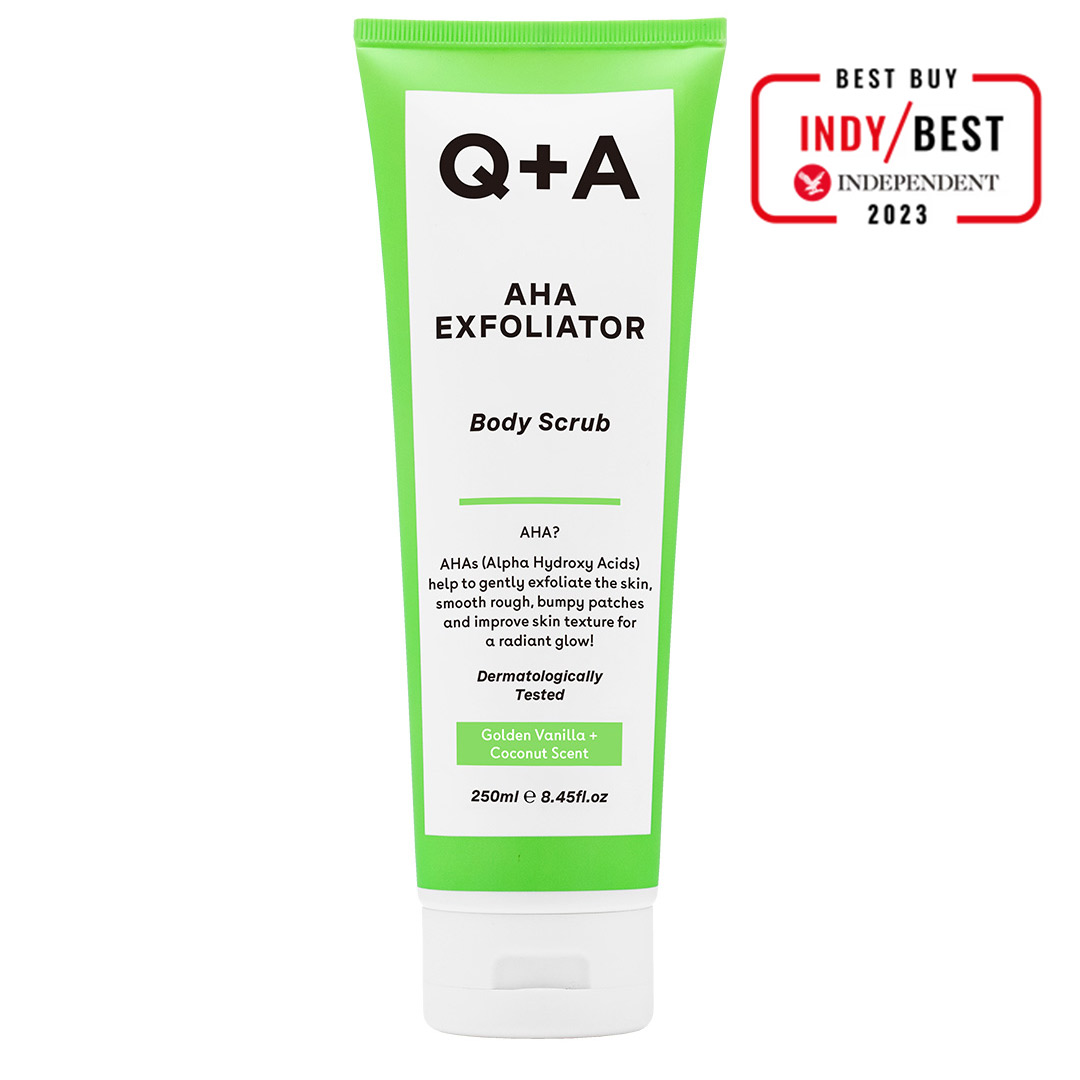 AHA Exfoliator Body Scrub – Body Scrub with AHA 250ml Q+A AHA Exfoliator Body Scrub – Body Scrub with AHA 250ml Q+A
|

