


Exfoliation.....how many of us have not combined this little word with persistently scratching and scratching our skin until it turns red, believing that this is the only and appropriate way for effective exfoliation? Why, you will now say to yourself, is there another way? Was everything I have read on so many sites, magazines and blogs wrong? Not necessarily wrong... But let's just say that there is another way, more essential and more effective! But let's take them in order, as always.
What makes exfoliation so important?
Exfoliation essentially helps remove dead cells from the surface of our skin, thus contributing to a fresher, healthier and brighter appearance of the skin. Although it is a fact that our body naturally eliminates dead cells, a little push, in order to encourage the whole process, would certainly not hurt. You see, the rate of renewal of our cells differs from person to person, but the fact is that they gradually and steadily slow down as we age. So while this process requires about 14-21 days for a person aged 20-25, it requires about 28 days for middle-aged people and around 60-90 days for people aged 50+ and 60+. The result as we age is a dull and tired skin and that is why the exfoliation process must be done more and more often and at regular intervals. And this is where AHAs (Alpha Hydroxy Acids) and BHAs (Beta Hydroxy Acids) come into play, which contribute to and enhance the exfoliation process, helping it to become even more effective and reach even greater depth.
But first, let's see what exactly AHAs are and how they work.
AHAs are chemical compounds that can be of either natural or synthetic origin and act more effectively on dry and sensitive skin. They are particularly effective because in addition to the exfoliation they offer, they also stimulate the ever-necessary production of collagen. They are known as chemical exfoliating ingredients (don't worry about the term chemicals, since especially in natural cosmetics they come from natural sources) and unlike so-called common exfoliants, they do not create the risk of injury to sensitive skin. Their mode of action is to gently dissolve the retaining material between cells, thus helping to remove dead skin more quickly and easily, leaving the skin brighter, smoother and softer. This process in turn encourages faster growth of new cells, which also allows the various serums and creams that each of us uses to penetrate deeper. This way we have better and more visible results over time. Although AHAs remain chemical compounds as mentioned above, when they are of natural origin (such as in natural cosmetics) they usually come from organic sugars that either contain glycolic acid, such as that found in sugar cane, or lactic acid, such as that found in milk. Glycolic acid also has the smallest molecular size, a property that allows it to more easily penetrate the layers of the skin, making it the most commonly used ingredient in natural cosmetics containing AHAs.
Let's move on to BHAs now, which are mainly derived from fruit enzymes.
Their most important property is that of immediate penetration, cleansing the skin pores in depth. BHAs are recommended for people with more oily skin since they have the property of breaking down sebum and leaving the skin smoother and brighter. You may already be using one of the most effective forms of BHA without knowing it, especially if you have oily skin with a tendency to acne breakouts, which is the well-known salicylic acid. Salicylic acid essentially contributes to the rate of cell regeneration and accelerates it, while acting in a balancing way on the general characteristics of the facial skin. Thanks to its decongestant properties, it frees from excess sebum and reduces the reappearance of skin blemishes. 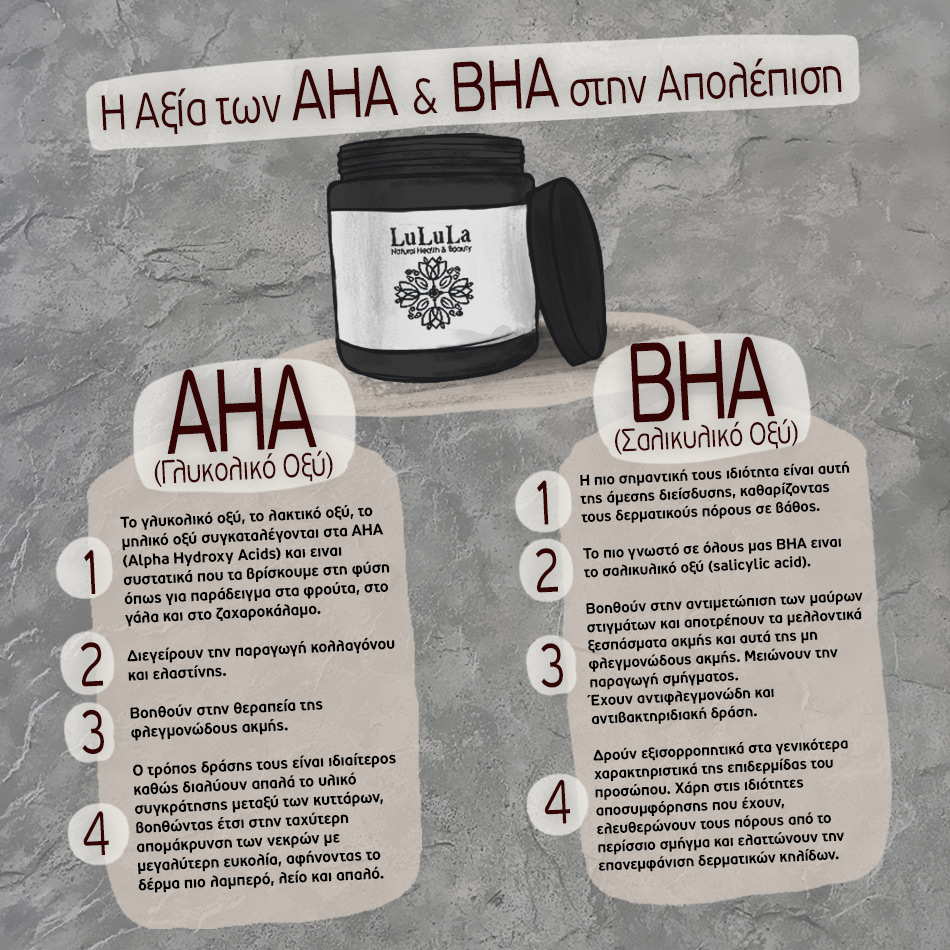
 * Tip: The secret cure for cracked heels is glycolic acid. Thanks to the small molecular size of glycolic acid, this Alpha Hydroxy Acid is able to penetrate the dead, damaged and dry skin cells that are responsible for cracked heels. After rubbing the heels with a foot file, dry them well. Then, apply glycolic acid to the heels and then moisturize naturally with a rich body butter or shea butter. **Tip: Deodorant effect from glycolic acid? And yet yes! Its properties balance the bacteria found in the armpit area, which in combination with sweat (although essentially odorless) create the well-known unpleasant odor. Glycolic acid interferes with this chemical process, without however reducing sweating, effectively stopping the bad odor! Extra bonus it also smoothes of discoloration in the armpit area! Note, however, that it is best to avoid using glycolic acid if you have previously had hair removal or laser treatment in the armpit area, as well as after prolonged exposure to the sun (sunbathing), since in this case it is possible that unwanted irritation may occur.
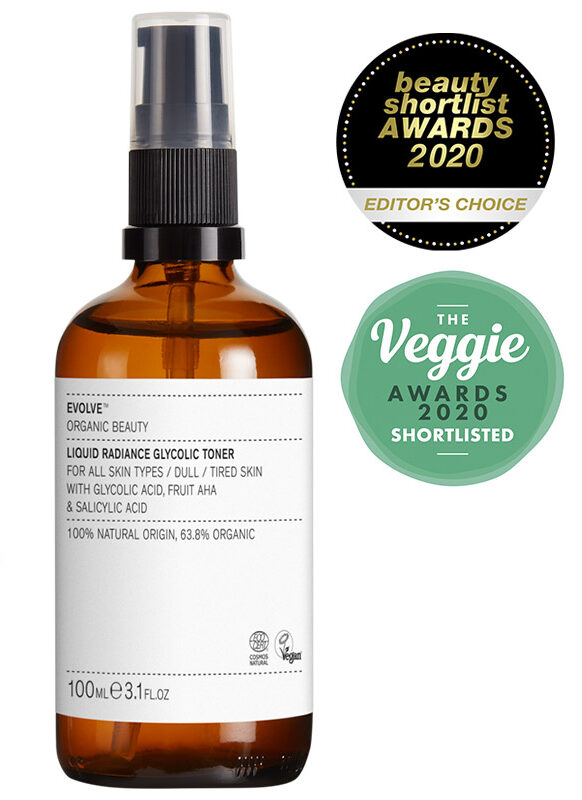 Toning Lotion Glycolic Acid Toning Lotion Glycolic Acid
|
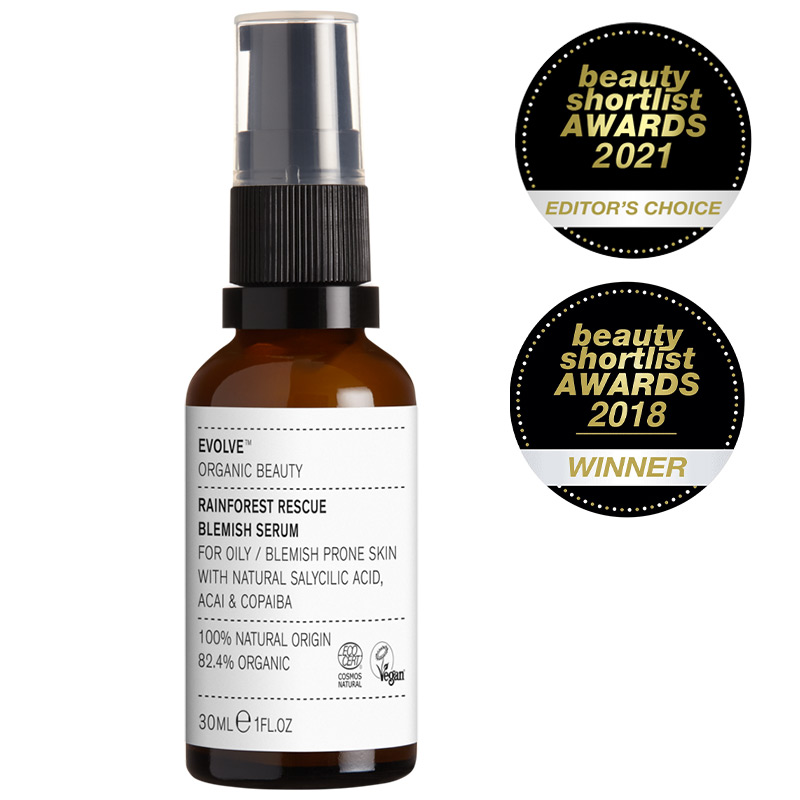 Anti-Acne Serum with Salicylic Acid Anti-Acne Serum with Salicylic Acid
|
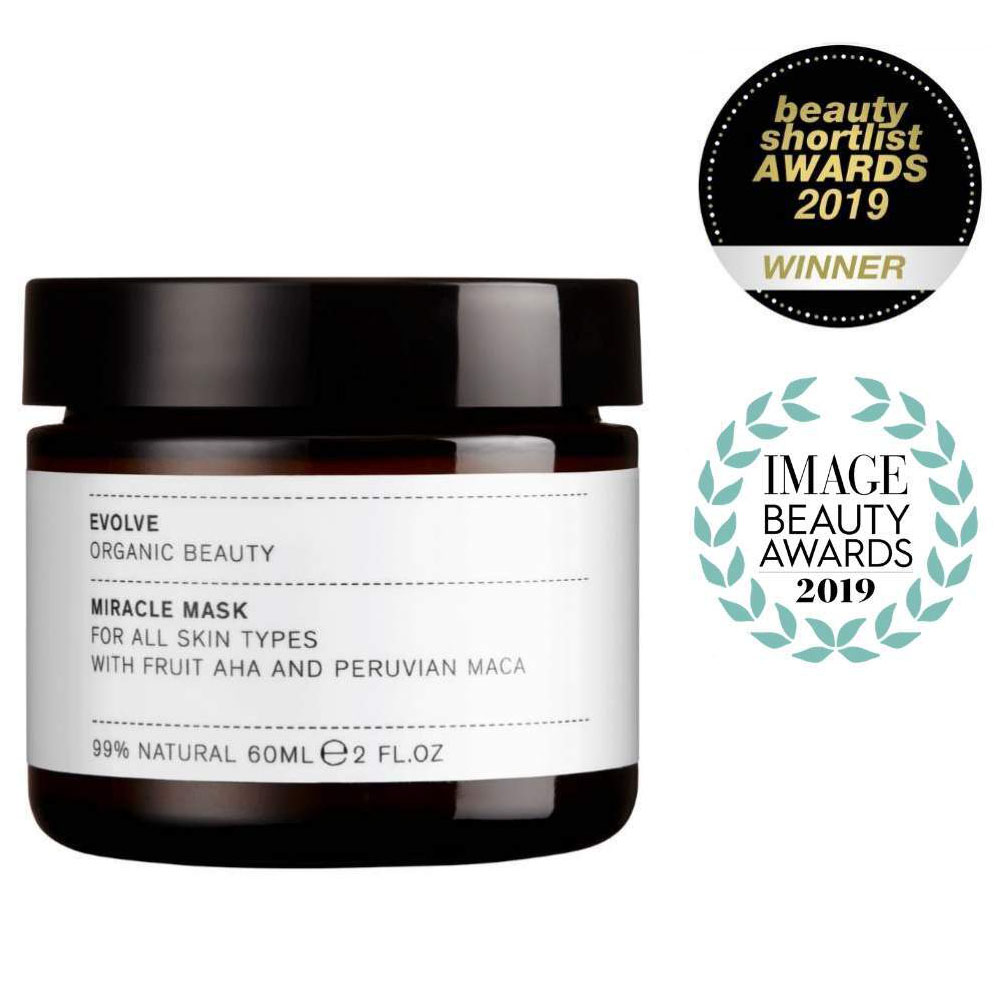 Face Mask with AHA Fruit Acids Face Mask with AHA Fruit Acids
|
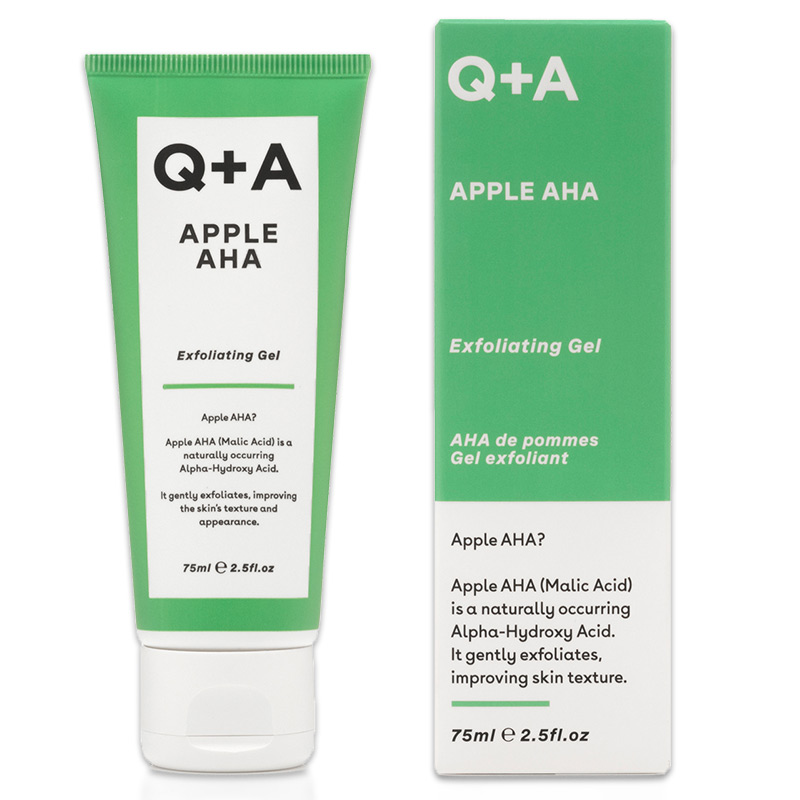 Exfoliating Gel with AHA Fruit Acids Exfoliating Gel with AHA Fruit Acids
|
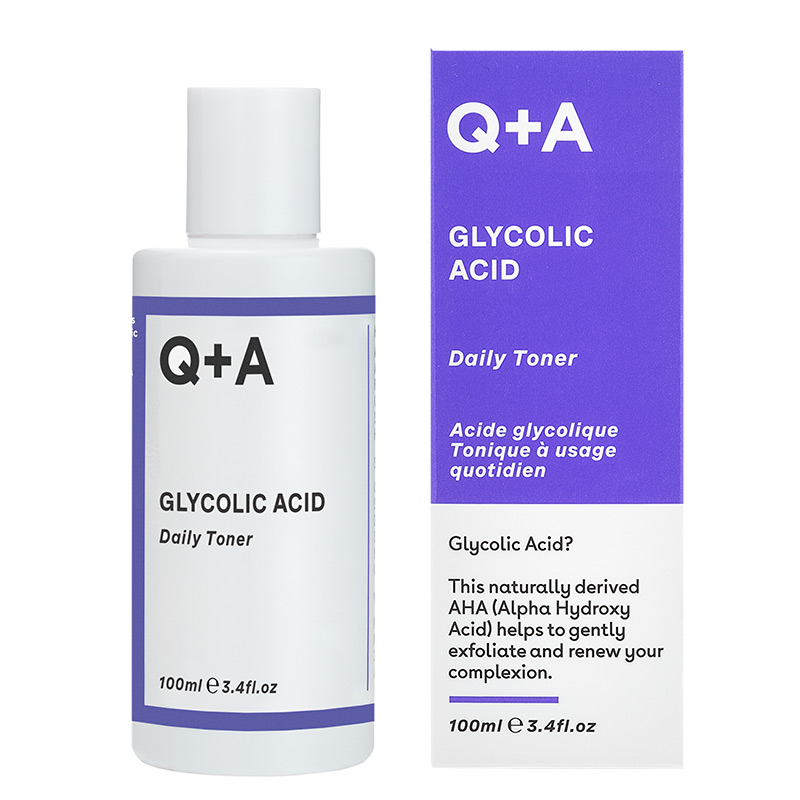 Glycolic Acid Toner Glycolic Acid Toner
|
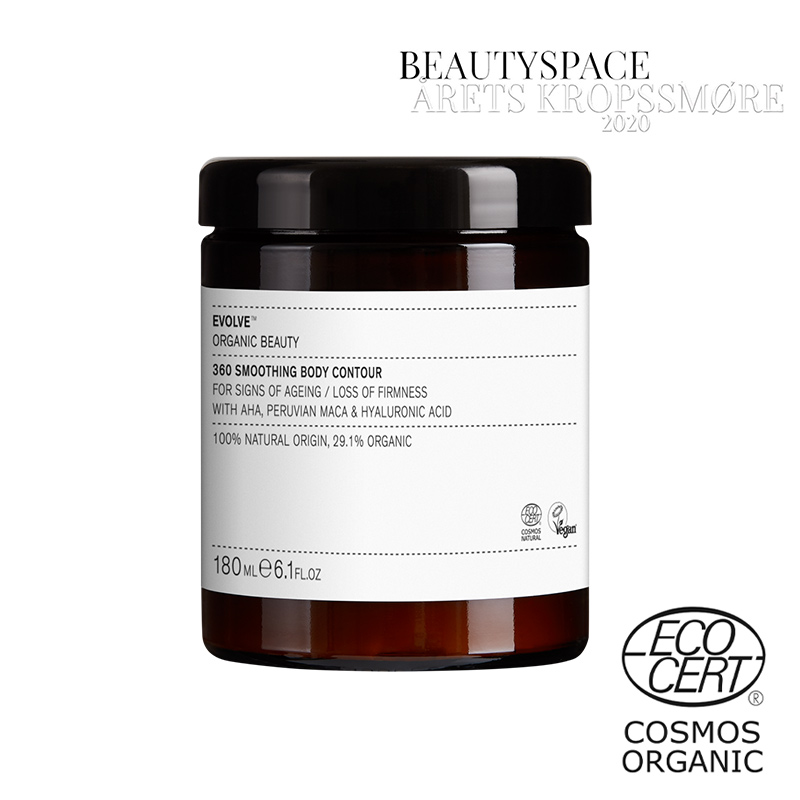 Firming Body Cream with AHA Fruit Acids Firming Body Cream with AHA Fruit Acids
|

